The evolution of prisoner jurisprudence in India is largely defined by the transition from a colonial-era “hands-off” doctrine to a contemporary constitutional framework that recognises the “residual liberty” of the incarcerated. Central to this paradigm shift are the two landmark Supreme Court decisions in Sunil Batra v. Delhi Administration (1978 and 1980), which dismantled the […]
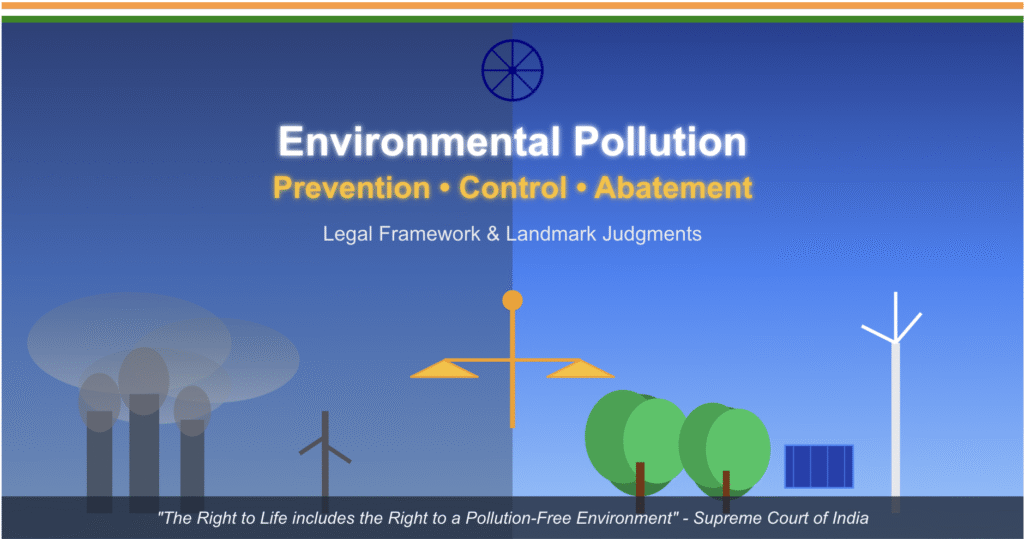
Prevention, Control and Abatement of Environmental Pollution: Legal Framework and Landmark Cases
Environmental pollution has become one of the most urgent global concerns of the 21st century. Rapid industrialization, urban growth, and increased consumption patterns have put immense pressure on natural ecosystems. As a result, air, water, and soil qualities are deteriorating at alarming rates. To protect both nature and human health, a strong focus on prevention, […]
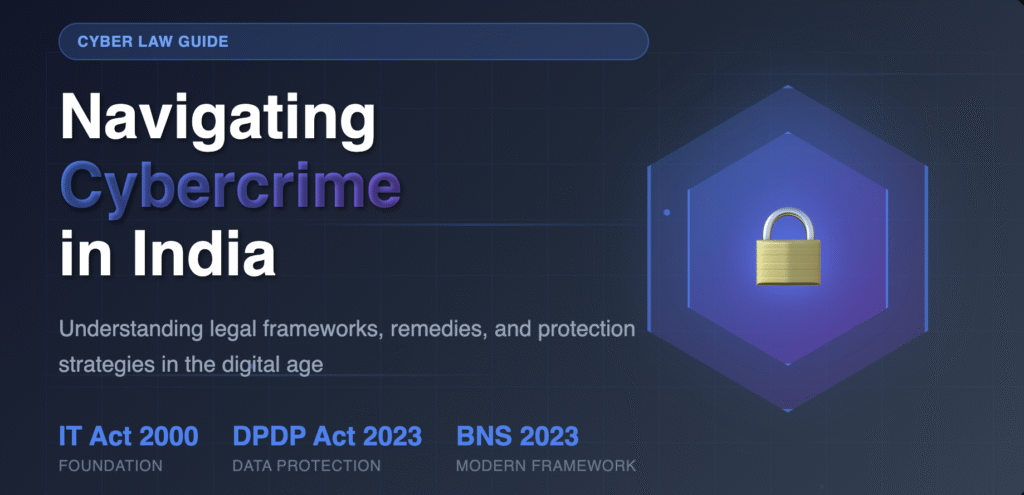
Navigating Cybercrime: Your Legal Shield in India
The digital revolution has fundamentally transformed how we conduct our daily lives. From contactless payments and cloud-based work to social networking and e-governance, technology permeates every aspect of modern existence. Yet this unprecedented connectivity has opened new frontiers for criminal exploitation. Cybercrime in India has evolved from isolated incidents to a sophisticated ecosystem of digital […]
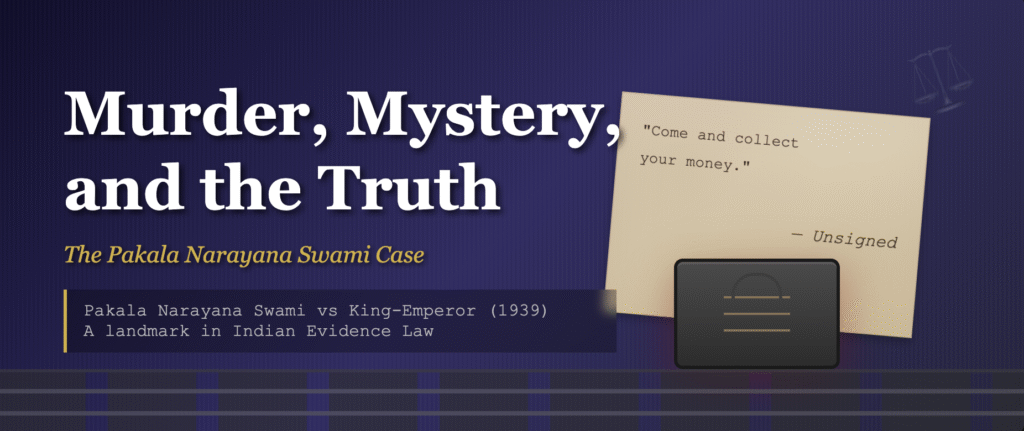
Murder, Mystery, and the Truth: The Story Behind Pakala Narayana Swami vs King-Emperor
Some legal cases feel like dusty chapters from old law books. But then there are cases like Pakala Narayana Swami vs King-Emperor (1939)—a story that could easily open a crime thriller, complete with a mysterious letter, a steel trunk, and a journey that would end in one of India’s most important judgments on confession and […]
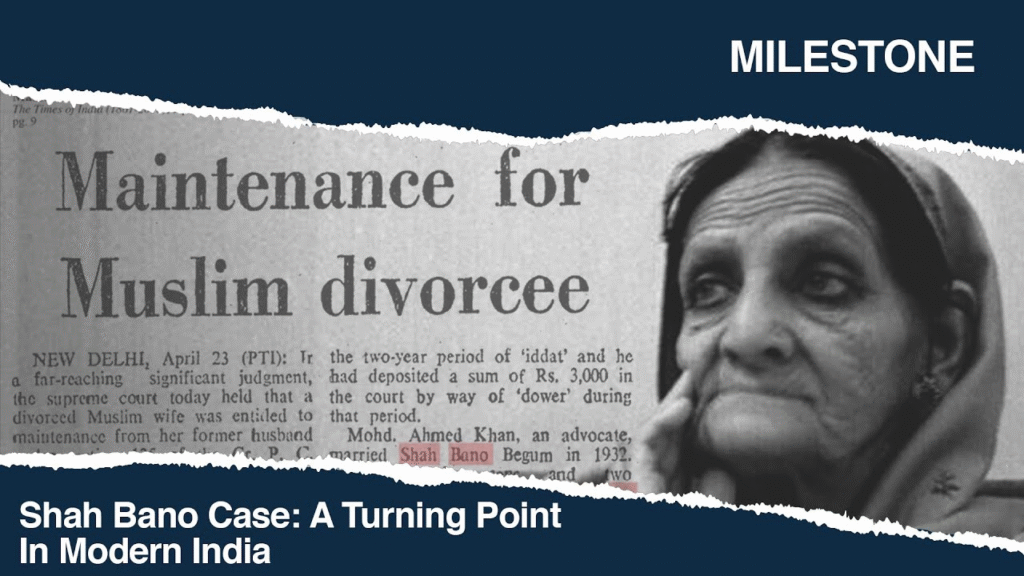
The Shah Bano Case: One Woman, One Petition, and a Storm That Changed India
If you’ve ever wondered how one court case can shake an entire nation, spark heated debates, and rewrite laws — the Shah Bano case is the ultimate example. It has drama, courage, politics, religion, and a simple yet powerful question: “Does every woman in India have the right to maintenance, no matter her religion?” The […]
Injuria Sine Damno: Legal Injury Without Damage
Injuria Sine Damno (Latin for “injury without damage”) is a legal maxim in tort law which states that the violation of a legal right is actionable per se (by itself), even if the plaintiff has suffered no actual, tangible harm, loss, or financial damage. Key Principle Landmark Case: Ashby v. White (1703) The most famous […]
The Gloucester Grammar School Case (1410): Damage Without Legal Wrong
The Gloucester Grammar School Case (1410) is a foundational landmark in early English common law, best known for establishing the principle of Damnum Sine Injuria. This Latin phrase translates to “damage without legal injury” and signifies that not every harm or loss suffered warrants a legal remedy unless a recognized legal right has been violated. […]
Transforming Public Interest Litigation (PIL) Management with CaseCloud
Public Interest Litigation (PIL) has emerged as one of the most powerful tools for ensuring social justice and accountability in India. From protecting environmental rights to addressing issues of corruption and inequality, PILs play a crucial role in shaping a fair and transparent society. However, managing a PIL case can be a complex process — […]
Where Does Consumer Protection Stand Today?
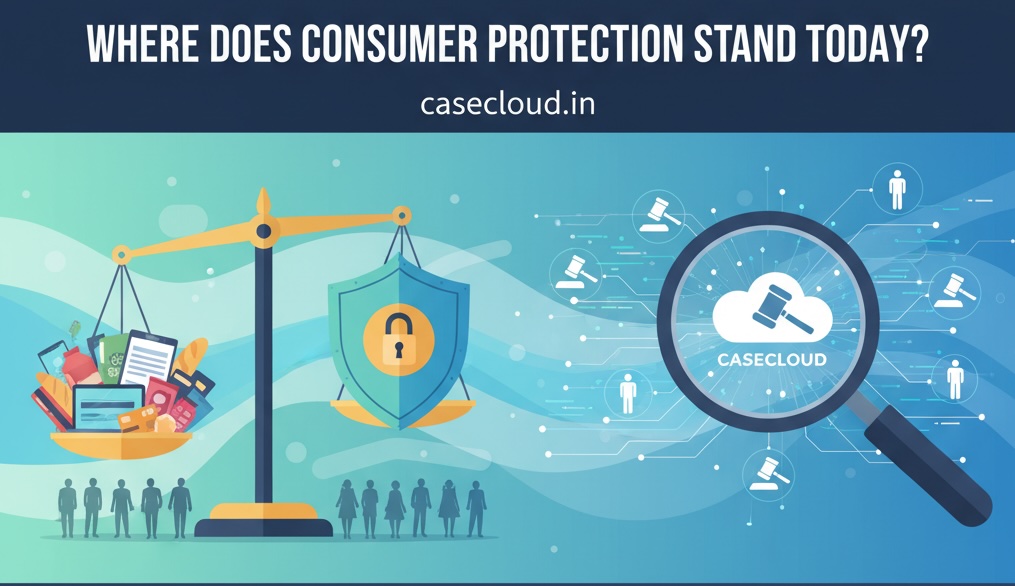
For decades, Indian consumers often felt like they were walking a tightrope without a safety net. Products sometimes failed, services fell short, and redressal mechanisms were either non-existent or painstakingly slow. Then came a landmark legislation that fundamentally shifted the balance of power, empowering millions and laying the groundwork for a more accountable marketplace: The […]